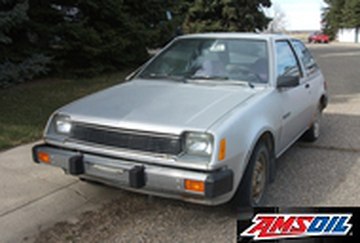
Maintaining Lubrication Standards for the 1982 Dodge COLT 1.6L
Proper engine care for a vehicle of this era requires a focus on consistent monitoring and adherence to specific fluid requirements. For owners of a 1982 Dodge COLT with the 1.6L engine, maintaining the lubrication system is a fundamental aspect of long-term mechanical health. Because older engines often operate under different tolerances than modern counterparts, staying observant of how the vehicle behaves during routine operation can prevent minor issues from becoming significant repairs.Monitoring Fluid Integrity and Consumption
One of the most effective ways to monitor the health of the 1.6L engine is through regular observation of fluid levels and appearance. While many owners focus solely on the oil change interval, the condition of the lubricant between services provides valuable information. If you notice a significant change in how much oil the engine seems to use over a specific period, it warrants closer inspection. Changes in consumption can be associated with various factors, including aging seals or changes in operating temperature. Additionally, the appearance of the oil itself should be noted; if the lubricant appears excessively dark or contains visible particulates shortly after a service, this may indicate that the engine is accumulating deposits or that previous maintenance was inconsistent. When performing routine checks, always look for signs of seepage around the engine block and associated sealing surfaces. Even small amounts of fluid appearing on the exterior of the engine can be an early indicator that gaskets or seals are beginning to lose their effectiveness due to age and heat cycles. Identifying these signs early allows for more controlled maintenance decisions rather than reacting to sudden leaks.Observing Potential Operational Changes
A vehicle's behavior during startup and throughout its operating cycle can serve as a diagnostic tool for the lubrication system. If you notice unusual mechanical noises that coincide with engine operation, it is important to investigate whether these sounds are related to the lubrication state. For example, certain sounds may be more prominent during a cold start, which can sometimes be associated with how quickly the lubricant reaches necessary components. It is also useful to monitor for any changes in exhaust characteristics. While many factors influence exhaust output, certain odors or visual changes can be linked to the engine's internal lubrication environment. If you observe anything that seems out of the ordinary, such as a change in how the engine idles or responds to throttle inputs, these symptoms should be investigated by a professional to determine the underlying cause. Remember that many different mechanical issues can present with similar symptoms, so a single observation should not be used to definitively diagnose a specific component failure.Prioritizing Maintenance Based on Current Condition
For an older vehicle like the 1982 Dodge COLT, maintenance strategies are often most effective when they are based on the actual current condition of the machine rather than just chronological age. If you have recently acquired this vehicle and do not have a complete service history, establishing a baseline is a logical first step. This involves performing a thorough inspection of all fluids, checking for any active leaks, and verifying the condition of various engine-related components. Once a baseline is established, maintenance priorities can be set based on what the vehicle actually needs. For instance:- Address any visible fluid seepage or active leaks immediately to prevent further issues.
- If service records are incomplete, prioritize refreshing all essential fluids and filters to ensure the engine is operating with fresh, clean lubricants.
- Inspect age-sensitive components, such as accessible belts (if equipped) or hoses, for signs of cracking, glazing, or deterioration.
- Monitor the condition of electrical connections and wiring to ensure they remain secure and free from corrosion.
Long-Term Ownership and Record Keeping
Maintaining a detailed history of all services performed on the 1982 Dodge COLT is one of the most practical steps an owner can take. A consistent record of oil changes, filter replacements, and any repairs made provides a clear picture of the vehicle's maintenance trajectory. This documentation is invaluable when trying to identify patterns, such as how frequently certain components require attention or how the engine responds to different types of lubricants. If you are managing a vehicle with an unknown history, your first priority should be to document every action you take moving forward. Keeping track of the specific products used—including the brand and type of oil and filter—helps in maintaining consistency. This level of detail allows you to make informed decisions about future service needs and can assist in troubleshooting if unexpected mechanical symptoms arise later in the vehicle's life.Effective Inspection of Engine Components
When performing routine inspections, a systematic approach is more effective than a casual glance. Beyond just checking the oil dipstick, take time to examine the surrounding areas of the engine compartment. If equipped, inspect accessible drive belts for signs of wear such as fraying or surface cracking. Similarly, if hoses are present and accessible, check them for any signs of softening, swelling, or brittleness. While these components are not part of the lubrication system itself, their condition is often tied to the overall thermal environment of the engine. Furthermore, checking the cleanliness of the air filtration system is a vital part of general engine health. A clean air intake ensures that the combustion process is not hindered by excessive debris, which indirectly supports the longevity of all internal engine components. Consistent, methodical inspections allow you to catch minor issues before they escalate into more complex mechanical problems.Practical Advice for Buying Engine Oil for your 1982 Dodge COLT 1.6L
When it is time to replenish your engine's lubricant, the most important step is to ensure that the product you select matches the specific requirements of your application. Do not rely on general automotive knowledge or assumptions based on the age of the vehicle to determine which oil to use. Instead, match the engine oil to the application-specific viscosity information already displayed on this webpage. When shopping for products, consider the following:- Verify that the oil meets the appropriate API certification listed in your application details.
- Check the product labeling carefully to ensure the grade matches what is required for your 1.6L engine.
- If you are looking for specific formulations, such as high-mileage oils which may contain additives intended for use in aging engines, ensure they still align with the viscosity requirements shown above.
- Always confirm that the oil you are purchasing is compatible with the specific service needs of your 1982 Dodge COLT by referring back to the technical data provided on this page.